
Stepper Motor Torque and Speed: What Engineers Need to Know
2026-08-20
Stepper motor torque changes with operating speed. Understanding the relationship between torque and speed is essential for proper motor selection.
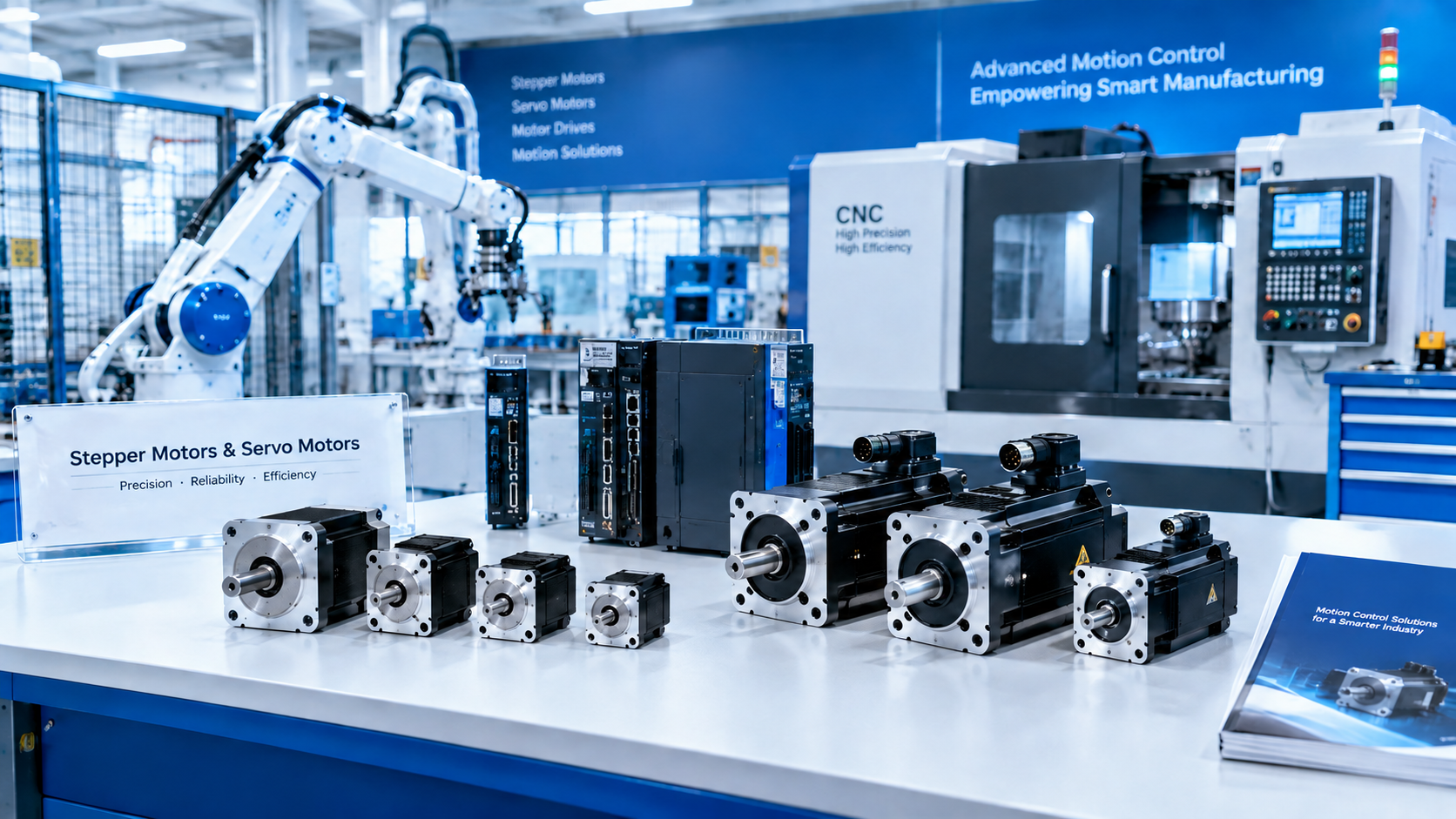
Torque and speed are two of the most important parameters when selecting a stepper motor.
A common mistake is to select a motor based only on its holding torque.
However, the actual operating conditions can be very different from the motor's static specifications.
Holding Torque
Holding torque describes the torque a stepper motor can produce while energized and stationary.
It is useful as a reference when comparing motors.
However, holding torque alone does not determine how the motor will perform during continuous movement.
Torque at Operating Speed
As stepper motor speed increases, available torque generally decreases.
Therefore, engineers should evaluate the motor's torque-speed curve according to the required operating speed.
For example, if an application requires high torque at high speed, simply selecting a motor with high holding torque may not be sufficient.
Acceleration
Acceleration is another important factor.
The motor must provide sufficient torque to accelerate the mechanical load.
Load inertia, friction, transmission ratio and acceleration requirements should all be considered.
Choosing the Right Motor
When selecting a stepper motor, engineers should evaluate:
Required operating speed
Required torque
Acceleration
Load inertia
Transmission mechanism
Duty cycle
Power supply
Motor driver
A proper torque-speed analysis can help avoid motor stalling and improve machine reliability.