
How to Choose the Right Stepper Motor for Your Automation Machine
2026-08-20
Selecting a stepper motor requires more than checking frame size. Learn the key factors including torque, speed, load, installation and control requirements.
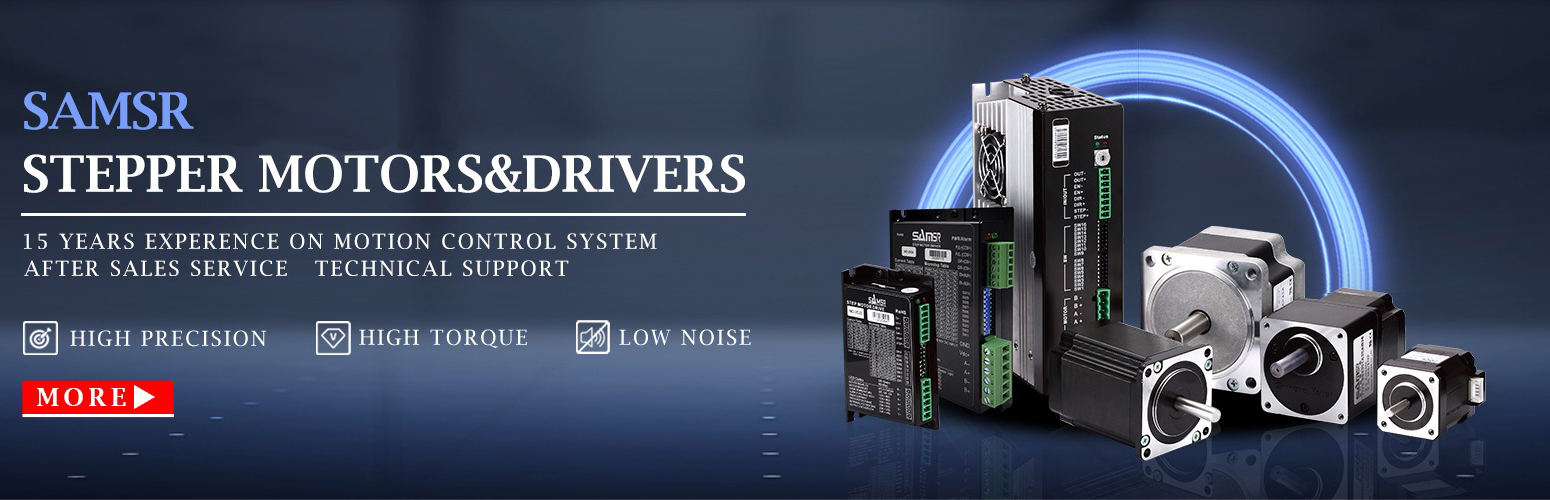
Choosing the correct stepper motor is an important part of machine design.
A motor that is too small may not provide enough torque, while an unnecessarily large motor can increase system cost and size.
The following factors should be considered.
1. Required Torque
Torque is one of the most important parameters.
Engineers should calculate the torque required to move the mechanical load and consider acceleration requirements.
The selected motor should provide sufficient torque under the actual operating conditions.
2. Operating Speed
Stepper motor torque generally changes with speed.
Therefore, the required operating speed should be considered together with the motor's torque-speed characteristics.
3. Load and Inertia
The mechanical load affects motor performance.
Engineers should consider the mass, friction, transmission mechanism and rotational inertia of the system.
4. Motor Size
Stepper motors are available in different frame sizes.
Common industrial applications use different NEMA frame sizes depending on machine requirements.
The physical dimensions of the motor must match the available installation space.
5. Open Loop or Closed Loop
Open-loop stepper motors can be suitable for many basic positioning applications.
When feedback and improved position monitoring are required, a closed-loop stepper motor may be considered.
6. Mechanical Configuration
Some machines require special mechanical configurations.
For example, screw stepper motors, brake stepper motors, through-hole stepper motors and gear reduction stepper motors are available for different mechanical requirements.
Selecting a stepper motor should therefore be based on the complete application rather than motor size alone.